
Is Your Child Struggling With Recurring Knee Pain During Sport?
If your child has recurring pain below the kneecap during or after running, jumping or sport, an individual physiotherapy assessment can help clarify what may be contributing to their symptoms. It may be Osgood Schlatter disease.
Osgood-Schlatter assessments are currently available at our Mitcham, Aspendale Gardens and Airport West clinics in Melbourne only.
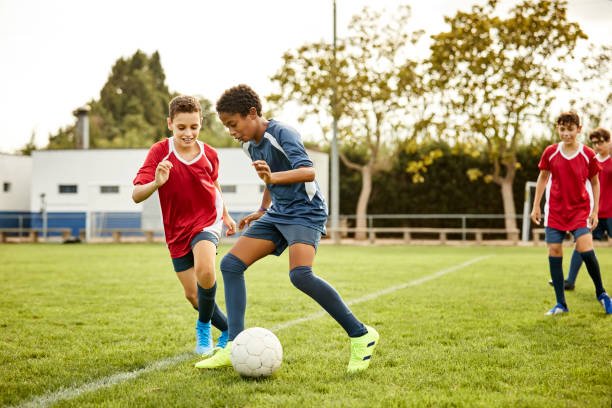
Does This Sound Familiar?
Your child may be experiencing Osgood Schlatter disease if they:
Experience pain below the kneecap during or after sport
Complain of pain after running or jumping
Limp after training or games
Have a tender or swollen bump below the kneecap
Say the pain improves with rest but returns every time they play
Are currently going through a growth spurt
If that sounds familiar, you're not alone.
Osgood Schlatter is one of the most common causes of knee pain in growing athletes.
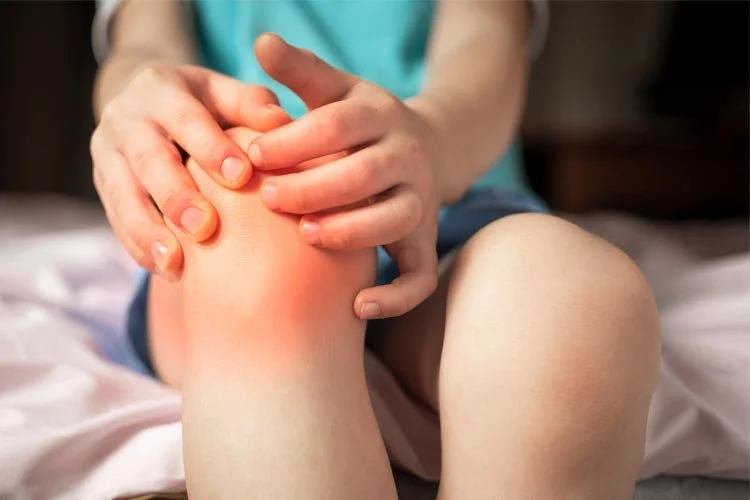
Why We Treat Child Knee Pain
When we established The Severs Centre, our focus was helping children experiencing growth-related heel pain caused by Sever's disease.
As more families came through our clinics, we began noticing a consistent pattern.
Many of the same active children we were seeing for heel pain would later return with pain below the kneecap during another stage of growth.
Rather than referring these families elsewhere, our clinicians expanded their assessment process to include Osgood Schlatter disease and other common growth-related causes of child knee pain.
Today, our team regularly assesses children experiencing both growth-related heel pain and growth-related knee pain, applying the same structured, individualised approach that families have come to expect from The Severs Centre.
What Is Osgood-Schlatter Disease?
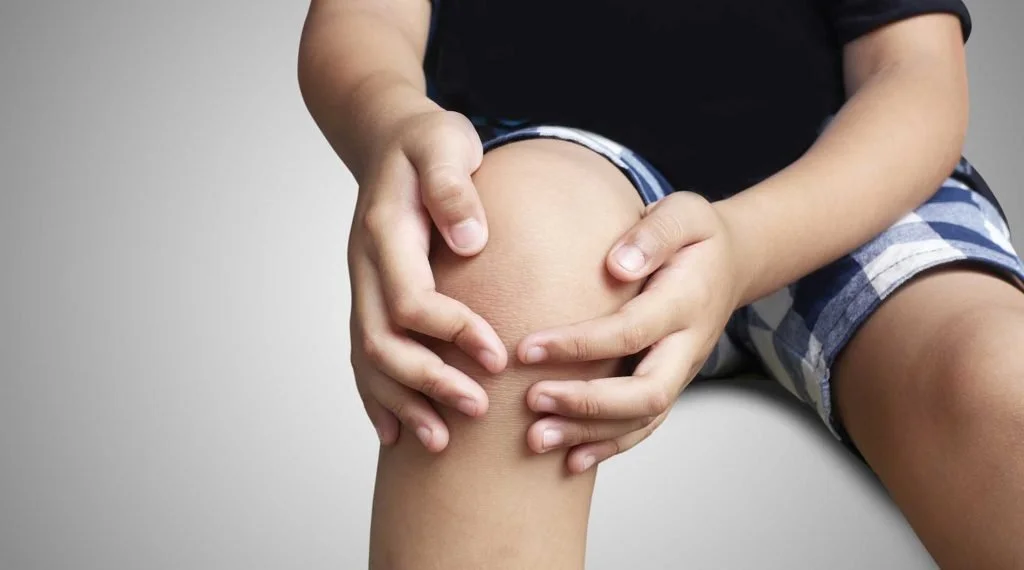
Osgood-Schlatter disease is one of the most common causes of knee pain in growing active kids - particularly during periods of rapid growth and sport participation.
It occurs when repeated running, jumping, and training irritate the area just below the kneecap where the patellar tendon attaches to the shin bone.
The good news is that it is very common, not dangerous, and does not usually involve any serious damage to the knee.
Many kids continue to flare up because they either rest completely, then return too quickly, or never address the underlying factors contributing to the overload.
At The Severs Centre, we use a structured, data-driven, sport-focused approach designed to reduce pain, guide safe participation, and help active kids return to sport confidently - without unnecessary fear or prolonged time away from activity.
Our 3-Step Assessment Process
Every child is different. That's why every assessment begins by understanding the three key factors that may be contributing to your child's knee pain.
Our Osgood-Schlatter Treatment Approach
1.Growth
We begin by understanding where your child is in their growth and development.
Periods of rapid growth can influence how muscles, tendons and bones work together, and may contribute to changes in how the knee responds to sporting activity.
Understanding your child's stage of growth provides important context for the rest of the assessment.
2. Load
Next, we look at the demands being placed on your child's knee.
Changes in training volume, competition, school sport or other physical activity can all influence symptoms.
We'll discuss your child's sporting participation, weekly training load and recent changes in activity to build a clearer understanding of the demands on their knee.
3. Movement
Finally, we assess how your child moves.
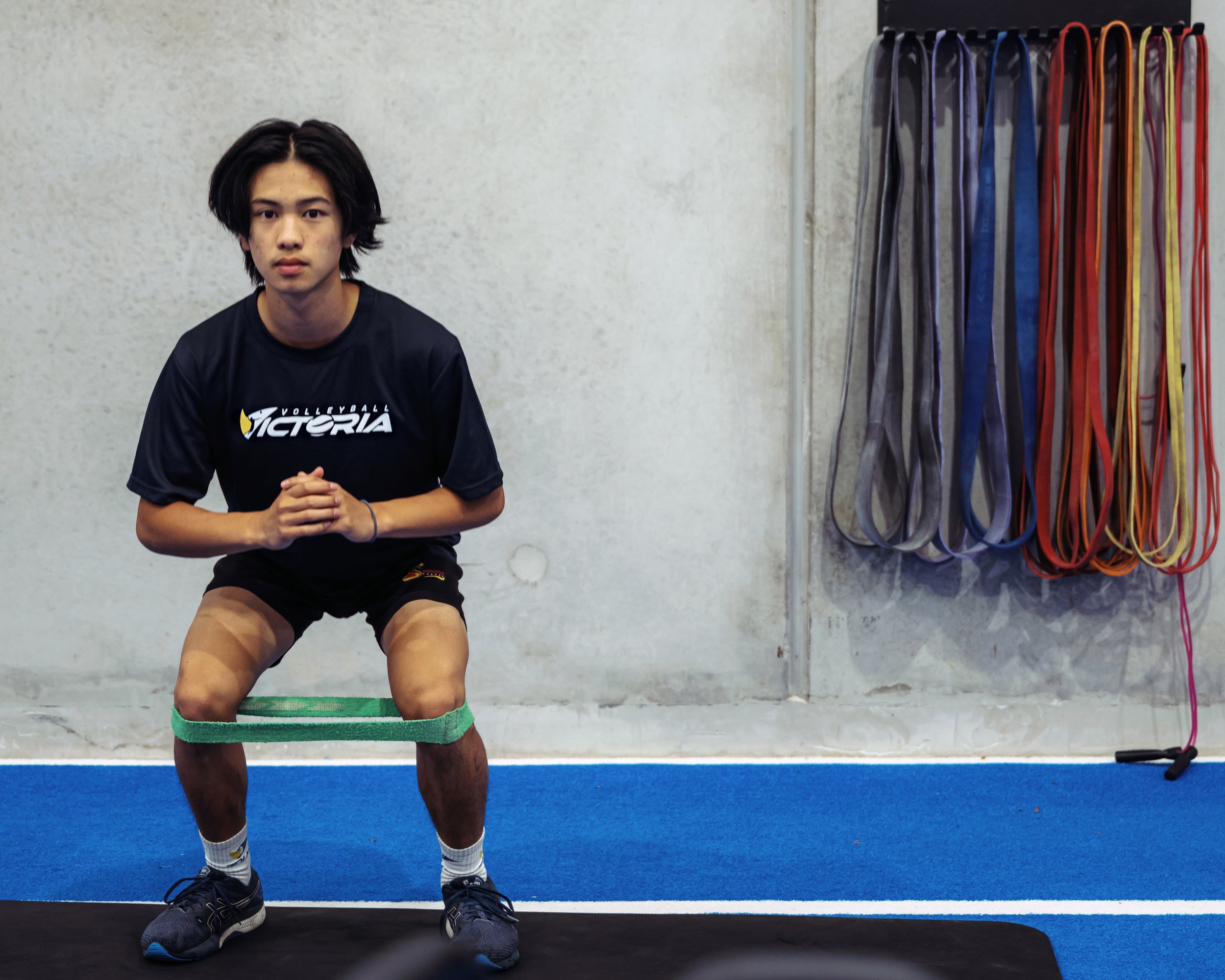
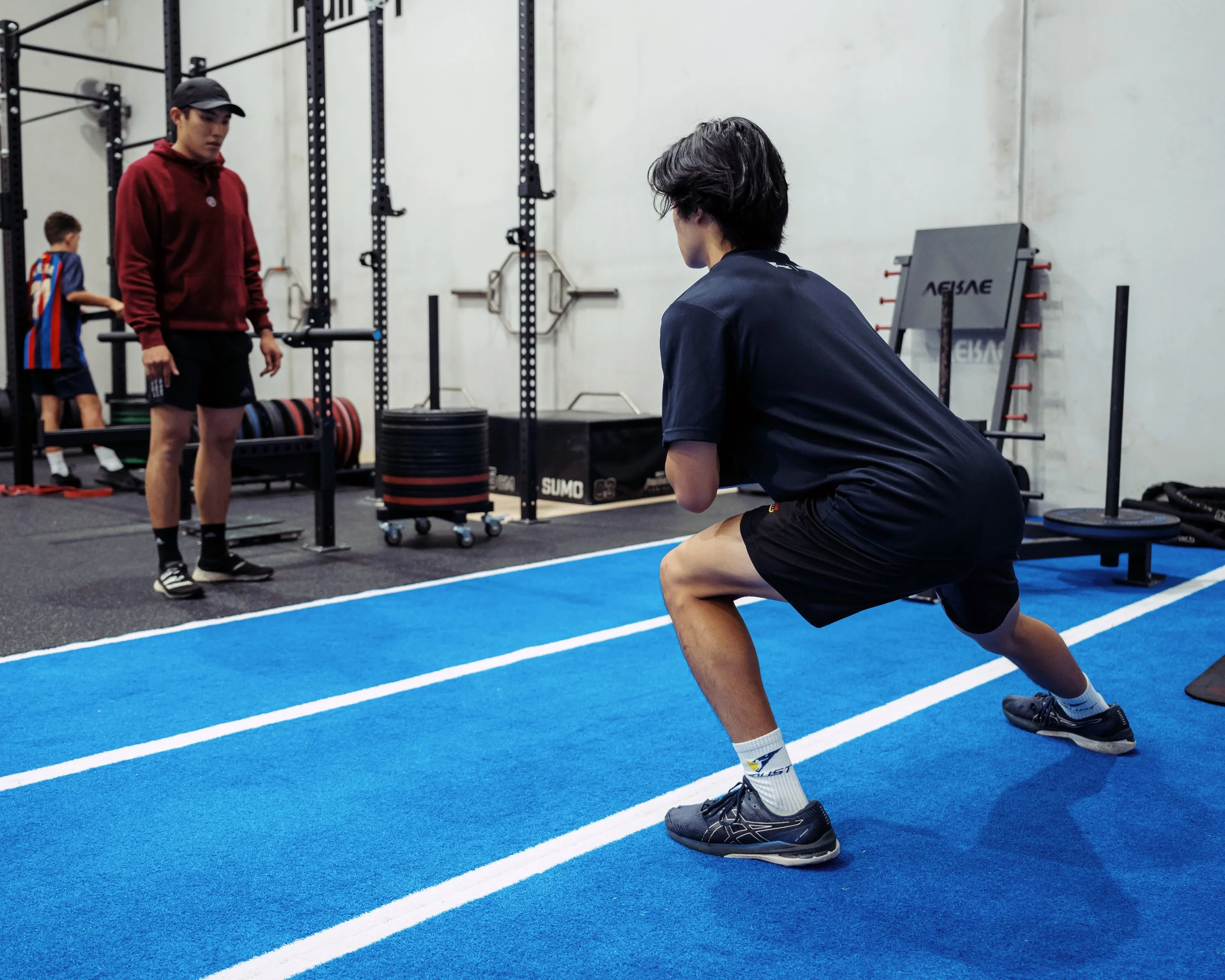
This may include assessing movement patterns, strength, running mechanics, jumping and landing technique, and overall physical function.
Where appropriate, we also use objective assessment technology, including VALD performance testing, to assist in assessing movement and physical function.
What Most Parents Have Already Tried
By the time many families reach us, they’ve often already been told:
“They just need to rest.”
“It’s just growing pains.”
“Wait until they stop growing.”
“Take a few weeks off sport.”
“Ice it after training.”
The problem is: Many active kids improve temporarily… only for symptoms to return as soon as sport ramps back up again.
Parents are often left frustrated trying to balance:
Keeping their child active
Managing pain
Avoiding flare-ups
Maintaining confidence in sport
Preventing repeated setbacks
Why Families Choose Us
1.We Work Specifically With Youth Athletes
Our clinicians work extensively with active children and adolescent athletes.
We understand:
Growth-related pain
Youth athlete demands
Return-to-sport considerations
Parent concerns around sport participation
2. Experience In Elite Sport & Junior Pathways
Our clinicians have experience working:
In elite sporting environments
With developing junior athletes
In performance and rehabilitation settings
This allows us to better understand the physical demands placed on young athletes.
3. Built From Listening To Families
The Severs Centre was originally established to support families managing Sever's disease (growth-related heel pain).
As more children came through our clinics, we regularly met families whose children were also experiencing growth-related knee pain during different stages of development.
Those conversations, together with our clinical experience, led us to develop the same structured assessment approach for children presenting with Osgood Schlatter disease and other growth-related causes of knee pain.
Frequently Asked Questions
-
Osgood Schlatter is a common growth-related condition affecting the area where the patellar tendon attaches to the shinbone just below the kneecap. It commonly occurs in active children and teenagers during periods of rapid growth.
-
The exact reasons why one child develops Osgood Schlatter and another does not can vary. Growth, sporting activity and the physical demands placed on the knee may all play a role. A physiotherapy assessment can help determine whether your child's symptoms are consistent with Osgood Schlatter and discuss factors that may be contributing to their presentation.
-
Osgood Schlatter most commonly affects children and adolescents between approximately 9 and 15 years of age, particularly during periods of rapid growth.
-
Yes. Osgood Schlatter is one of the most common causes of knee pain in active, growing children and teenagers.
-
Symptoms may include:
Pain below the kneecap
Pain during or after running or jumping
Tenderness over the bump below the kneecap
Swelling or a noticeable bump below the knee
Symptoms that improve with rest but return during activity
-
Yes. Some children experience symptoms in one knee, while others may develop symptoms in both knees.
-
Many parents notice that symptoms improve with rest before returning when sport resumes. This pattern is commonly seen with growth-related sporting conditions, although every child's presentation is different.
-
This depends on your child's symptoms, the demands of their sport and the findings of their assessment. Your physiotherapist can discuss appropriate recommendations based on your child's individual presentation.
-
Not necessarily. Recommendations are individual and depend on your child's symptoms and assessment findings. Complete rest is not always appropriate.
-
Not always. Osgood Schlatter can often be identified through a detailed history and physical examination. Imaging may be recommended in some situations depending on your child's presentation.
-
Your assessment may include discussing your child's symptoms, sporting participation, stage of growth, physical examination, movement assessment and, where appropriate, objective assessment technology to assist in assessing movement and physical function.
-
Initial appointments are approximately 45 minutes, allowing time for a comprehensive assessment, discussion of the findings and recommendations.
-
Management depends on the individual child and the assessment findings. Recommendations may include activity modification, strengthening exercises, a home exercise program, guidance around training load and follow-up where appropriate.
-
The duration varies from child to child and depends on factors such as age, stage of growth, sporting demands, symptom duration and response to management. Your physiotherapist can provide more personalised guidance following an assessment.
-
The bump often becomes less noticeable over time, although some people continue to have a small prominence into adulthood. A persistent bump does not necessarily indicate ongoing pain or reduced function.
-
Surgery is uncommon for children with Osgood Schlatter and is generally not required.
-
The Severs Centre was originally established to support families managing growth-related heel pain. As more families came through our clinics, we regularly assessed children who were also experiencing growth-related knee pain during different stages of growth. This led us to develop a structured assessment process for Osgood Schlatter and other common causes of growth-related knee pain.
-
No. You do not need a referral to book an appointment with one of our physiotherapists.
-
Many families attend after their child has already received a diagnosis. An assessment provides an opportunity to discuss your child's current symptoms, sporting participation, physical function and management options, with recommendations tailored to their individual presentation.